28th Sunday in Ordinary Time
My dear brothers and sisters in Christ,
“This is the day the Lord has made, let us rejoice and be glad in it”. ( Psalm 118:24)
It is only during the Ordinary time of the year that we get to hear the parables of our Lord. For the last few Sundays, we have been listening to different parables told by our Lord. This Sunday, the parable is about a king organizing a wedding banquet in honor of his son. When the invited guests refuse to come to the banquet, he orders his servants to go to the highways and byways and bring in the guests. Again this parable is aimed at the Jewish leadership ( the pharisees and the scribes) who rejected the Lord Jesus Christ as the Messiah. The ordinary Jewish people represented by the Apostles accepted the Lord as the Messiah. It is our fervent prayer that the present day Jewish People would accept Jesus Christ as the Messiah as the fulfillment of the prophecies of the old testament.
The Month of October:
In the Catholic Church, the month of October is traditionally dedicated to praying the holy Rosary, asking the intercession of the Blessed Virgin Mary for the Courage and Commitment to protect, preserve and promote the gift of human life. Let us also ask our Blessed Mother to pray that the Holy Eucharist which is the eternal Sacrifice of the new Passover of the new Covenant, instituted by her Son and our Lord Jesus Christ, would be celebrated until He returns.
The Eucharistic Miracles:
As part of our study of the theology of the Eucharist, let us concentrate on the Eucharistic miracles this weekend.
So what is a Eucharistic miracle?
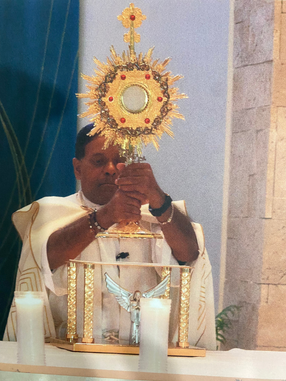
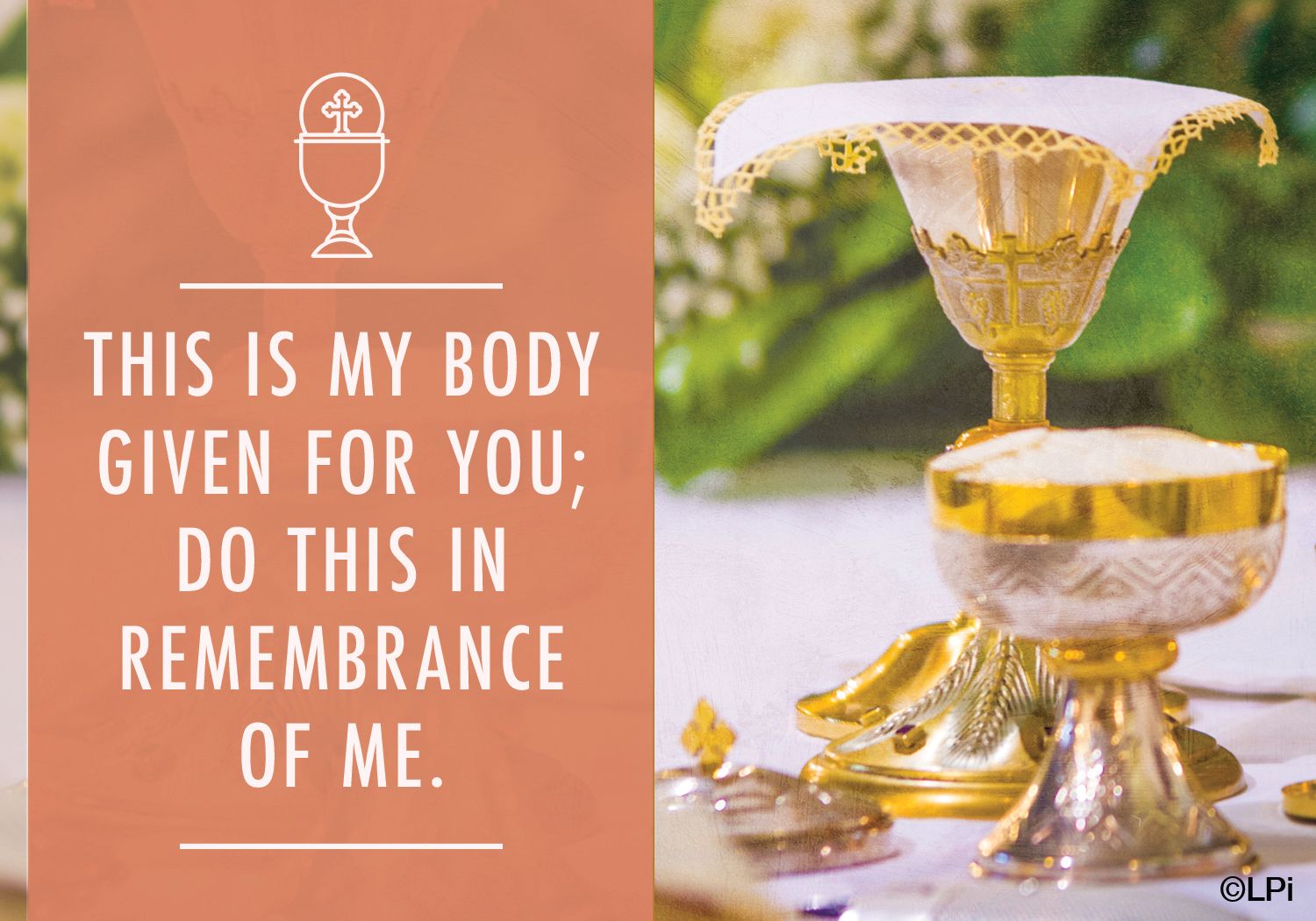
Of course the transubstantiation which is the transformation of substance of the bread and the wine into the Body, Blood, Soul and Divinity of Jesus Christ at the time of the Consecration during the Mass, is itself a miracle. This miracle happens at every Mass. The Body, Blood, Soul and Divinity which is the Real Presence of Christ is hidden under the outward appearances of bread and wine.
A Eucharistic miracle is an unexplainable physical manifestation of the transubstantiation. It means that an individual or a few people are given the grace to see the actual flesh and blood of Christ without being hidden under the appearances of the Bread and Wine. God allows such an extraordinary phenomenon to happen in order to strengthen the weak faith of a person or a group of people.
For example, a priest from Lanciano, Italy, in the 8th century, experienced doubts regarding the Real Presence of the Lord in the Eucharist. Once during the Mass, as he pronounced the words of Consecration ”This is my Body——-This is my Blood”, he saw the actual flesh and blood of the Lord in the Patten and the Chalice while the outward appearance of bread and wine disappeared.
This is called the Eucharistic miracle of Lanciano.
The Church teaches that we do not need such Eucharistic miracles to believe in the real Presence of the Lord in the Eucharist. The powerful and everlasting words of our Lord are enough for us to believe in the Eucharistic presence of the Lord.
The Church considers the Eucharistic miracles as private revelations allowed by the Lord to strengthen the weak faith of the people.
I have been celebrating the holy Eucharist for the last 35 years as a priest. I do not need a Eucharistic miracle to believe in the real Presence of the Lord in the Eucharist. His Words alone are enough for me to believe: “This is my Body—-This is my Blood”.
As your Pastor, I share the same Eucharistic faith you.
God bless you!
Fr. Bob Romaine