24th Sunday in Ordinary Time
My dear brothers and sisters in Christ,
“This is the day the Lord has made, let us rejoice and be glad in it”. (Psalm 118:24)
This weekend the Lord is teaching us the lesson of forgiveness. In the gospel of Mathew 18:21-35 the Lord told Peter and the disciples to forgive seventy seven times and told them the parable of a kind master who forgives his servant of his big debt. Sadly that same servant did not have the heart to forgive his fellow servant who owed him a much smaller debt. He had him put in prison. When the whole matter was reported to the master, the wicked servant was punished.
Our Lord concludes the parable by saying that our heavenly Father will do the same unless we truly forgive our brother or sister.
The month of September is dedicated to Our Lady of Sorrows whose Memorial is celebrated on September 15th. The whole life of Mother Mary is filled with suffering. The Servite Religious Order and the Cistercian monks like St. Anselm and St. Bernard of Clairvaux from the 12 the century and St. Bridget of Sweden in the 14th century made the sorrows of Mary as integral part of their spirituality. The Church has summarized the sorrows of Mary into seven:
1. The Prophecy of Simeon
2. The flight into Egypt
3. The loss of Jesus in the temple
4. The meeting of Jesus and Mary on the way to Calvary
5. The Crucifixion and death of Jesus
6. The Body of Jesus is placed in the arms of his mother
7. The burial of Jesus
EUCHARISTIC ADORATION:
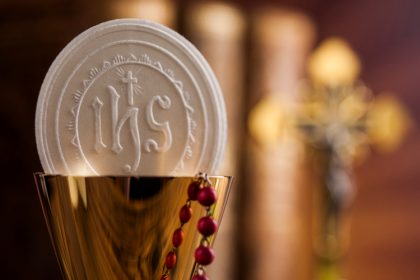
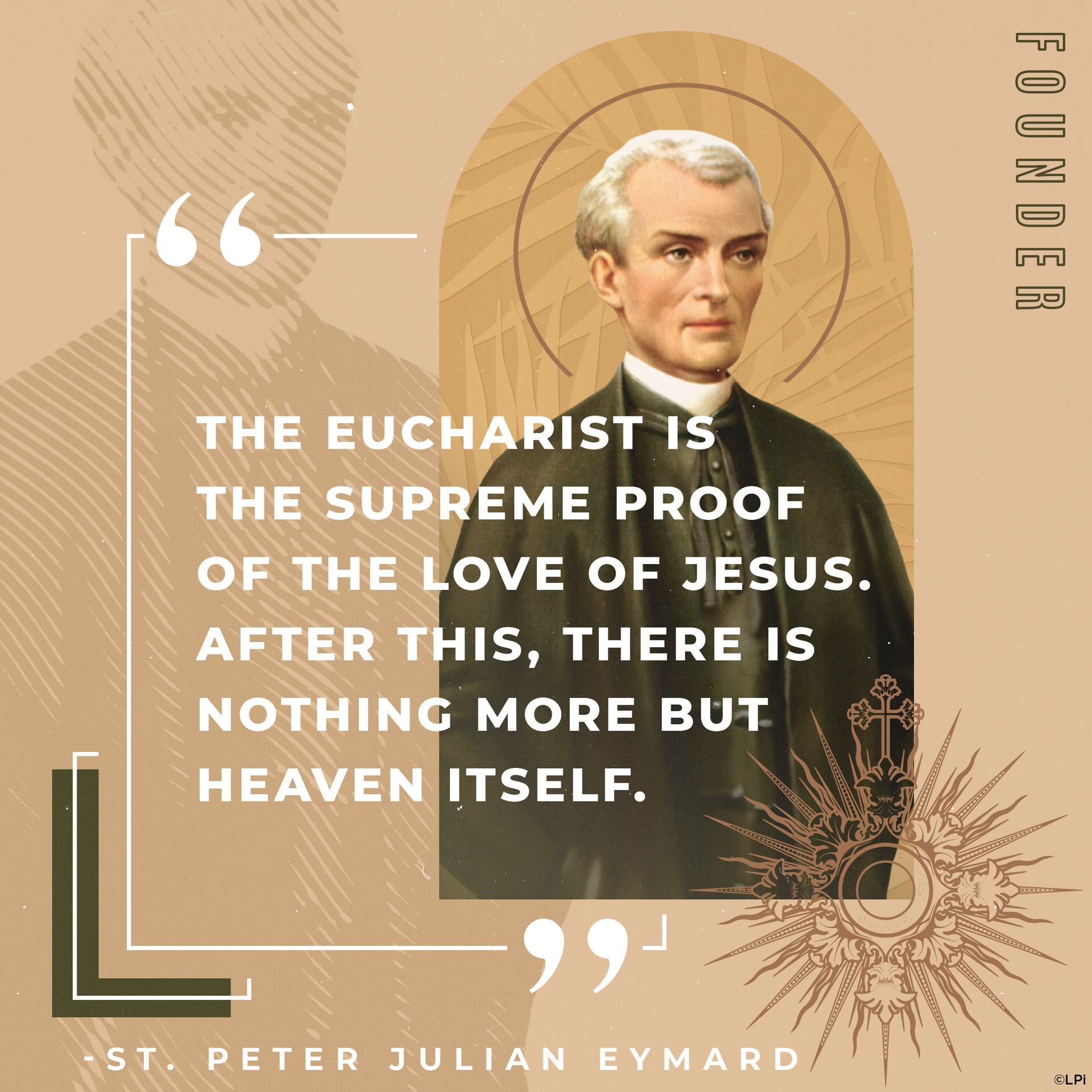
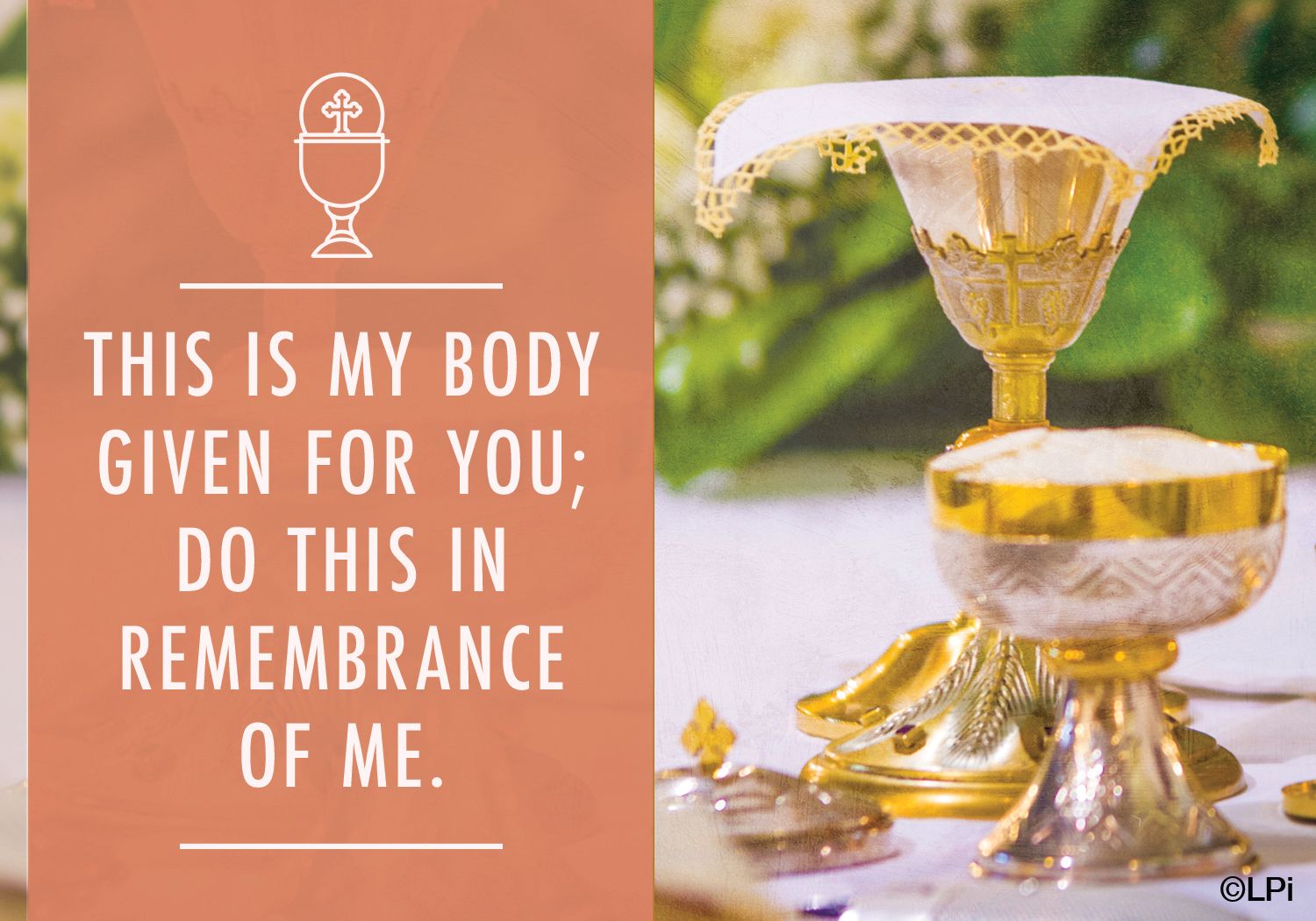
As part of the Eucharistic theology, I like to highlight the importance of Eucharistic Adoration. Since the time of the Apostles and the early Church, and throughout these two thousand years, Eucharistic Adoration had been held in high esteem as a gratitude to the Eucharistic Lord who is truly, really and substantially present in the consecrated Bread an Wine.
The Council of Trent (1551 AD) had stated and affirmed that the Blessed Sacrament should be publicly exposed and adored and attached anathemas or church censures to anyone who claimed that Christ should not be adored in the Eucharist. The Council of Tent had given rise to the devotion of 40 hours of Eucharistic Adoration and the practice of spending one full hour in the presence of the Lord in the Eucharist, known as holy hour.
The priest or the deacon brings out the consecrated host from the tabernacle and places it in a monstrance on the altar. A monstrance is a sacred vessel designed to hold the Eucharistic Lord in the consecrated host. The priest or the deacon incenses the Eucharistic Lord in the monstrance and begins the Eucharistic Adoration. The people take part in the Adoration by praying the psalms together, singing together, listening to the word of God and then spending time in silent meditation. After the prayers of the Faithful, the priest or the deacon does the Benediction which consists of incensing the Lord, and giving solemn blessing in silence by lifting the monstrance with the Eucharistic Lord and tracing the sign of the Cross over the people.
In some situations, the priest or the deacon exposes the Blessed Sacrament on the altar. He then incenses the Lord and says the opening prayer and the rest of the hour is spent in silent Adoration by the Faithful. In the case of 40 hours of Adoration of Adoration, each hour is spent in silent Adoration of the Lord. According to the liturgical document ‘Holy Communion and Worship of the
Eucharist outside of Mass’, number 88, there should be at least two people adoring the Lord every hour when the Blessed Sacrament is exposed in the monstrance. This norm does not apply when we adore the Lord who remains in the tabernacle.
We have silent Eucharistic Adoration every Friday from 8:30 am - 9:30 am. The praise and worship style of Eucharistic Adoration is on every first Monday of the month from 6:30 pm - 7:30 pm. Please come and adore the Lord even if it is for only a few minutes.
God bless America!
Fr. Bob Romaine